
How to Measure Digital Marketing ROI Without Chasing Vanity Metrics
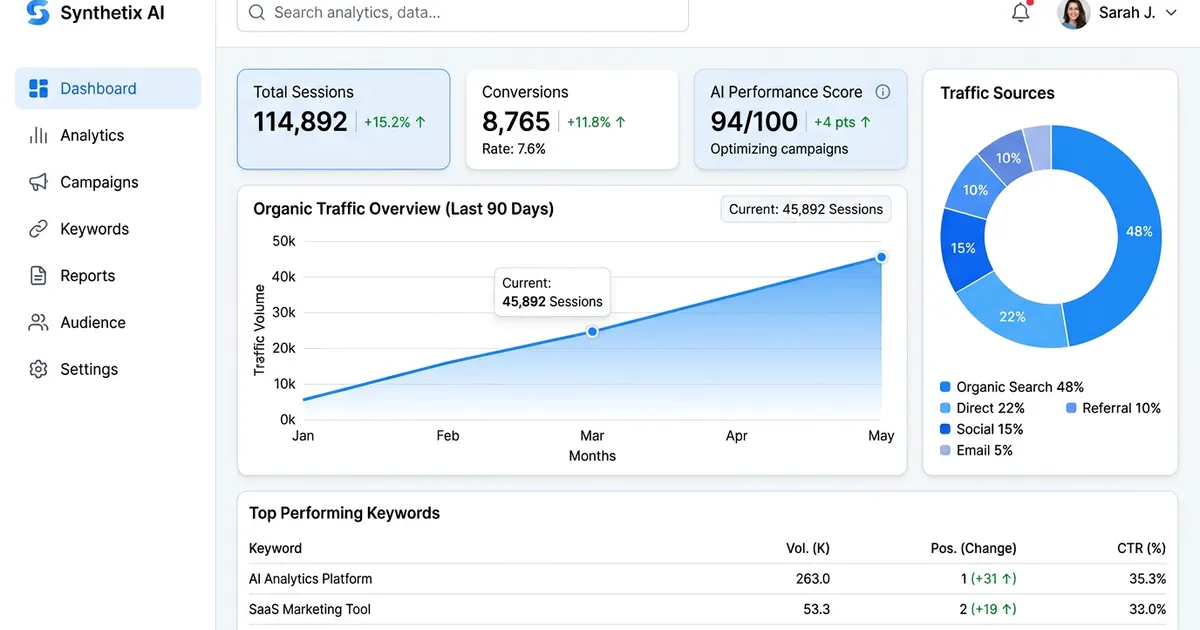
How to Measure Digital Marketing ROI Without Chasing Vanity Metrics
Marketing measurement becomes confusing when teams collect every available number without deciding what question each number should answer. A useful reporting system starts with the business outcome, defines the actions that indicate progress and records enough context to make a decision.
Define the Outcome Before the Dashboard
A service business may care about qualified enquiries and booked consultations. An online store may focus on orders, repeat purchases and margin. A long sales cycle may require lead stages rather than immediate revenue. Choose the commercial outcome first, then work backward to the website and channel events that contribute to it.
Separate Activity From Outcomes
| Layer | Examples | What it helps explain |
|---|---|---|
| Activity | Impressions, reach, published content | What the team produced or exposed |
| Engagement | Useful page visits, video completion, return visits | Whether people interacted with the message |
| Conversion | Forms, calls, checkouts, bookings | Whether visitors took a valuable action |
| Business outcome | Qualified opportunities, customers, revenue | Whether marketing contributed commercially |
Track Conversions With Context
A form submission is not automatically a good lead. Capture the source, landing page and campaign where possible, then connect the enquiry with sales feedback. This helps distinguish channels that produce volume from channels that produce relevant opportunities.
Understand Attribution Limits
Customers may discover a business through search, return through social media and convert after typing the brand name. No single attribution model tells the complete story. Compare first-touch, last-touch and assisted journeys, and treat attribution as a decision aid rather than perfect accounting.
Use a Simple ROI Framework
Compare the value attributed to marketing with the complete cost of producing and distributing that work. Include media, tools, agency or team time and creative production. For businesses with repeat purchases or long contracts, use an appropriate customer value window rather than looking only at the first transaction.
Create a Reporting Rhythm
- Check tracking health regularly
- Review channel and landing page trends
- Discuss lead quality with sales or customer teams
- Record experiments and changes
- Use a consistent reporting window
- End every report with decisions and owners
Questions a Useful Report Should Answer
- 1Which outcomes changed?
- 2Which audiences and pages contributed?
- 3Where did the journey lose people?
- 4What did we change during the period?
- 5What will we continue, stop or test next?
Connect your website with measurable customer actions
Explore Webamazee's landing page development approach for focused campaigns and clearer conversion paths.
Landing Page DevelopmentNeed a practical digital growth plan?
Talk with Webamazee about your website, search visibility and measurement priorities.
Book a ConsultationWritten by
Tilak Raj
Digital Strategist at Webamazee. Tilak Raj helps businesses grow with a blend of data, AI and proven strategy.